Home › Asphalt Resurfacing & Overlays
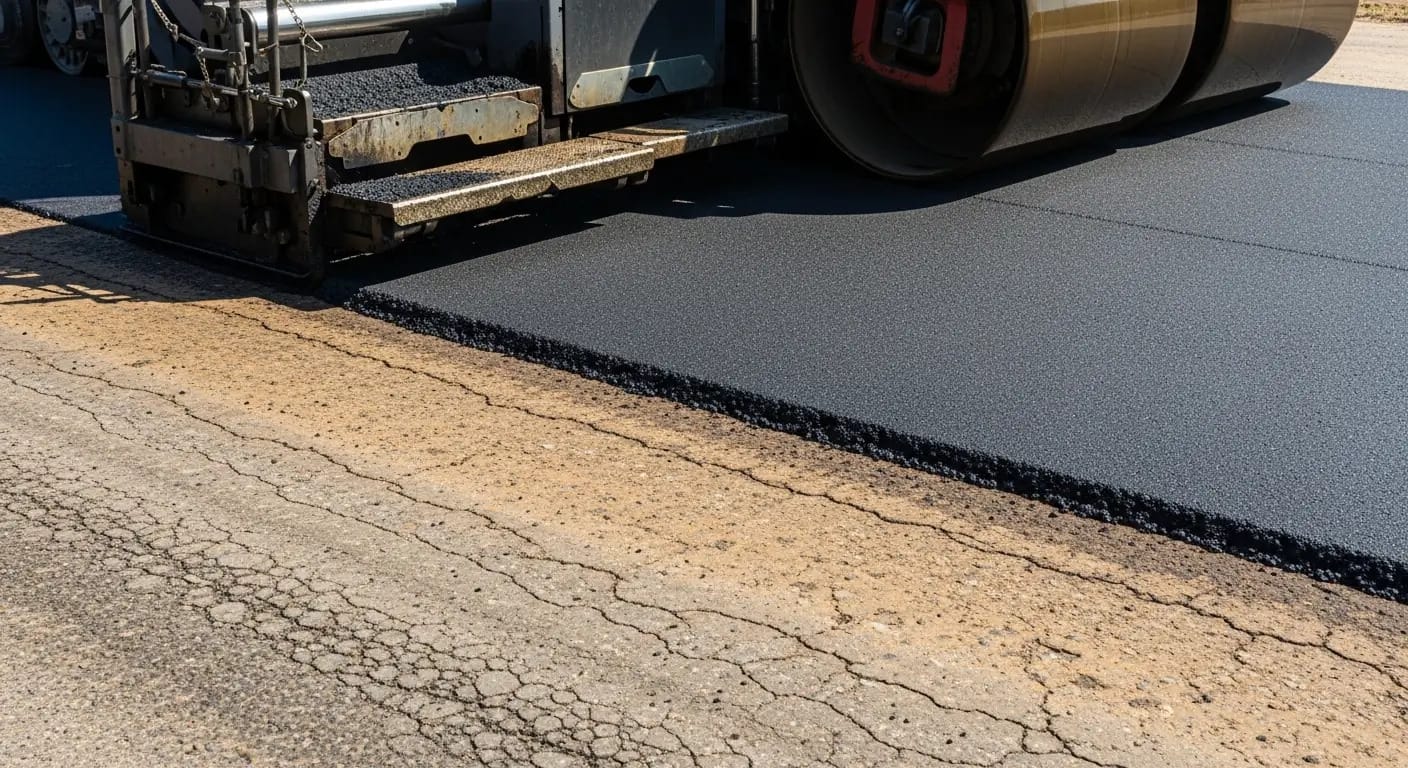
Refresh your worn pavement with asphalt resurfacing in Irving, TX that adds a new overlay on top of a stable base. This process smooths rough surfaces, improves appearance, and extends driveway life for less cost than full replacement. We evaluate your existing asphalt to ensure resurfacing is the right solution.
Precision Asphalt Irving provides professional asphalt resurfacing throughout Irving, TX, Texas and the surrounding area. Our licensed, insured crew delivers safe, clean, on-time work with a free estimate before anything begins. Call (469) 242-1785 or request your free quote.
Asphalt Resurfacing & Overlays for Irving Properties
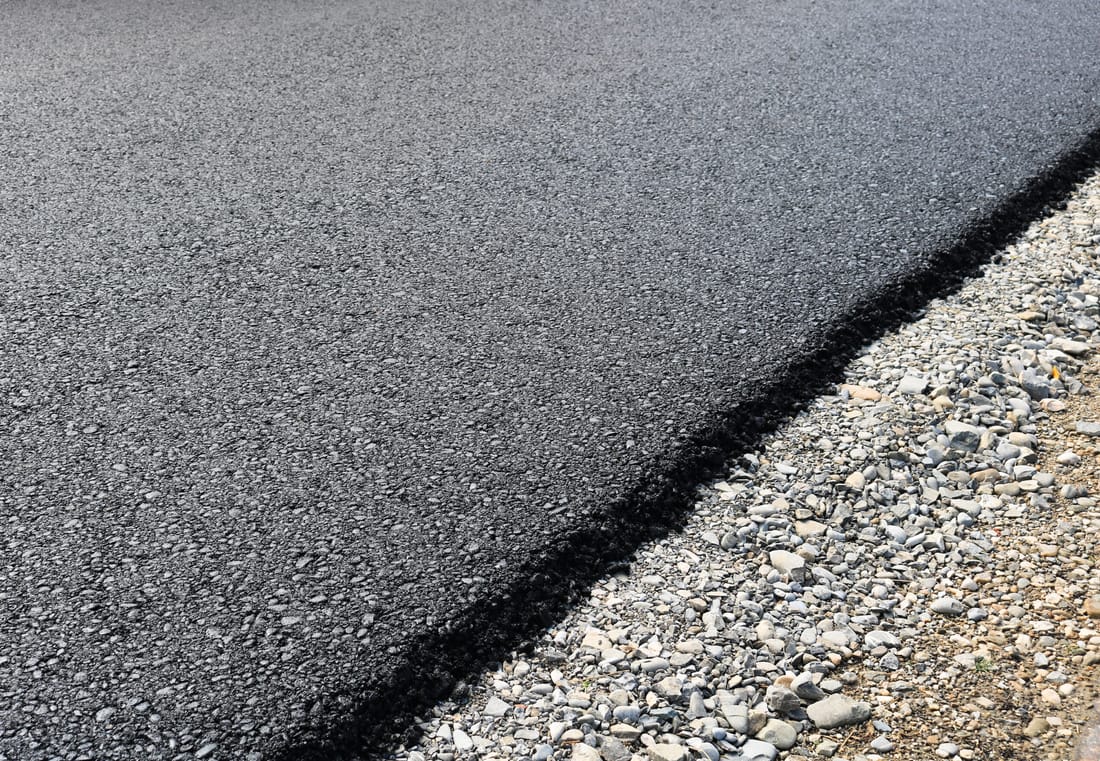
Asphalt resurfacing gives worn pavement a new driving surface without the cost of a full tear out. For Irving home and business owners, this is often the smartest way to extend the life of a driveway, parking lot, or private street that still has a solid base. Precision Asphalt Irving focuses on resurfacing and overlays that are tailored to our local traffic patterns, soil conditions, and hot North Texas weather.
If your pavement has widespread cracking, ruts, or a rough, faded surface, resurfacing may be the right fix. Instead of removing the entire asphalt structure, we mill or grind off the top layer, repair any damaged spots, and install a new asphalt layer on top. You keep the underlying investment you already paid for, but gain a fresh, smooth surface that looks and performs like new.
In Irving, this type of work is especially helpful for small shopping centers along Belt Line, churches, apartment communities, and busy residential driveways that see heavy trucks or multiple vehicles. We listen to how your property is used, then match the resurfacing approach and asphalt mix to your specific situation, not just a one size fits all formula.
How We Evaluate Your Pavement for Resurfacing
A successful asphalt resurfacing project starts with a clear understanding of what is happening under the surface. When Precision Asphalt Irving visits your Irving property, we begin with a detailed visual and physical inspection. We walk the entire area, mark problem spots, and ask how long standing issues like puddles or cracks have been around.
We look closely for signs that the base may be failing, such as deep alligator cracking, large potholes that keep returning, or sections that feel soft under a loaded vehicle. If we see these, we know certain areas will need full depth repair before any overlay can perform well. For large commercial lots, we may use proof rolling (slowly driving a loaded truck over the surface) to feel for soft spots that are not obvious to the eye.
Drainage evaluation is equally important in Irving. Our clay soils and sudden thunderstorms mean standing water can quickly ruin new asphalt. We check slopes toward drains, look for low spots where water lingers, and note locations where sprinklers or condensation regularly keep the edge of pavement wet. These details drive our decisions on milling depth, leveling, and any needed drainage corrections before we install a new overlay.
Step by Step: How Asphalt Resurfacing & Overlays Are Done
Once resurfacing is selected as the right solution, Precision Asphalt Irving follows a defined process so your new surface bonds tightly and lasts in our Texas climate.
1. Surface cleaning and preparation. We start by sweeping and power blowing the entire area to remove loose rock, dirt, and vegetation. In greasy or heavily stained parking areas, we may apply a degreaser and mechanical scrubbing to improve adhesion.
2. Milling and edge work. Using a milling machine, we grind off a controlled depth of the old asphalt, often 1 to 2 inches, depending on the condition and the overlay thickness we plan to install. At tie in points like street entrances, garage slabs, and ADA ramps, we mill deeper to create a smooth transition so you do not end up with a bump at the threshold.
3. Structural repairs. After milling, we can clearly see any weak or broken base areas. These spots are cut out in full depth squares, soft material is removed, and new base is compacted. We then place and compact new asphalt in those patches so the area is level with the surrounding grade.
4. Tack coat application. Before placing the new overlay, we spray a tack coat, a thin layer of asphalt emulsion, over the milled surface. This creates a strong bond between the old pavement and the new asphalt layer. Skipping or skimping on tack is one of the fastest ways to cause future slippage or delamination, so we are very careful about full, even coverage.
5. Placing the new overlay. Hot mix asphalt is delivered from a local Irving area plant and placed using a paver for consistent thickness and smoothness. Typical overlay thickness is 1.5 to 2 inches, but high traffic lanes or truck routes may receive more.
6. Compaction. Steel drum and pneumatic tire rollers compact the new asphalt to achieve the right density. We adjust rolling patterns based on air temperature, mix temperature, and wind, which change how quickly the mat cools.
7. Striping and reopening. For commercial clients, we re-stripe parking spaces, ADA markings, fire lanes, and directional arrows after the surface has cooled. Most overlays in normal summer conditions can handle light car traffic within 24 hours, with heavier vehicles following our specific guidance.
Local Conditions in Irving That Affect Your Overlay
Irving’s weather has a direct impact on when and how asphalt resurfacing should be done. Our long, hot summers and frequent sun exposure can cause asphalt to oxidize and dry out, which is why many older surfaces here look gray and brittle. A properly installed overlay protects the underlying pavement from further UV damage and allows us to correct minor rutting caused by repeated heat cycles and traffic.
Summer work must account for very high pavement temperatures. If asphalt is placed too hot on an already hot base, it can become tender and move under rollers, leading to waves or shoving in front of stopping vehicles. Precision Asphalt Irving times deliveries and roller patterns to manage cooling, especially on dark surfaces and open areas with no shade.
In the cooler months, we pay close attention to overnight lows. If the ground or air is too cold, the new asphalt may cool before it can be properly compacted, which leads to future raveling and reduced life. In Irving, the most reliable resurfacing windows tend to be from March through early June and from late September through early November, although we can work outside those windows on milder days when conditions allow.
Sudden thunderstorms typical in North Texas also matter. We avoid placing overlays when rain is imminent, and we will reschedule rather than risk a washed or pitted surface. Clear, dry conditions and a clean, dry base are essential for the tack coat to bond correctly.
What Drives the Cost of Asphalt Resurfacing
Homeowners and property managers in Irving often ask why two lots of similar size can have different resurfacing prices. Several real factors drive the cost of asphalt resurfacing and overlays, and understanding them helps you compare estimates fairly.
The most important cost driver is condition of the existing pavement and base. A clean overlay on a solid, crack free surface is far less expensive than one with extensive base failures that require full depth repairs. If we find many soft or broken areas after milling, additional labor, base material, and patching asphalt will increase the total.
Thickness of the new overlay and the asphalt mix design also affect cost. High traffic areas, truck routes, or dumpster pads may need thicker lifts or mixes with higher performance aggregates and binders. These provide better resistance to rutting and shoving, which is critical for busy Irving commercial sites, but the material cost is higher.
Accessibility and layout matter too. Small, chopped up areas, tight drive aisles, or lots with many islands and curbs take more time to prep, pave, and roll than a wide open lot of the same square footage. Working around active businesses, such as restaurants or medical offices, often requires phasing the job in sections so customers can still access the building, which adds set up and breakdown time.
Finally, striping and compliance work, including ADA upgrades, wheel stops, and signage, can be part of a resurfacing project cost. Precision Asphalt Irving provides itemized proposals so you can see where each dollar goes and decide what to prioritize now versus later phases.
Common Problems and How We Prevent Them
Asphalt resurfacing is only successful if it solves existing issues instead of covering them up. Precision Asphalt Irving focuses on diagnosing and preventing the most common overlay problems seen around Irving.
Reflective cracking is one of the biggest concerns. If existing cracks are not properly cleaned, routed when needed, and filled with the right crack sealant before overlay, they tend to reappear through the new asphalt within a year or two. We use hot applied rubberized crack sealants where appropriate, and in some cases we recommend fabric or reinforcing grids in specific crack patterns to slow reflection.
Poor bonding between old and new pavement can lead to slippage, where the overlay slides or shoves under braking or turning vehicles. This usually occurs when surfaces are dirty, oily, or when the tack coat is applied unevenly. Our crews insist on thorough surface cleaning and a uniform tack coat spray pattern, then visually verify coverage before any new mix is placed.
Drainage problems are another frequent issue. If a parking lot had standing water in certain spots before resurfacing, an overlay alone will not magically fix that. We address this by using leveling courses to correct low spots, adjusting slopes where possible within code limits, and sometimes installing additional drains or swales to move water away from buildings and walking areas.
For Irving residential driveways, a common mistake is leaving the new surface too high at garages or sidewalk transitions. Over time this can cause trip hazards or water running toward the house. We carefully mill or taper edges at these locations so the final overlay sits at an appropriate elevation and sheds water away from structures.
What Irving Property Owners Should Know Before Hiring
Before you choose a contractor for asphalt resurfacing in Irving, there are a few key points that can protect your budget and your property.
First, ask for a clear explanation of why resurfacing is being recommended instead of a full reconstruction or simple sealcoating. Precision Asphalt Irving will walk you through photos, measurements, and our findings so you understand the condition of your base and what life expectancy you can realistically expect from an overlay.
Second, request written details on milling depth, overlay thickness, and any specified repairs. Vague proposals that only say “resurface lot” leave room for shortcuts like very thin overlays that look good for a year but fail early. We spell out the target thickness in inches, as well as the areas where full depth repairs or leveling courses are planned.
Third, talk about scheduling, access, and communication. For active Irving businesses, we help plan phasing so at least one entrance remains open and customers know where to park. For homeowners, we coordinate so vehicles are moved before work starts and provide clear instructions on when you can drive on the new surface.
Finally, confirm that the contractor is familiar with local codes and ADA requirements. Resurfacing can change slopes and heights at ramps, crossings, and parking stalls. Our team designs overlays with these standards in mind so you stay compliant and avoid costly corrections later.
By choosing a local company that understands Irving soils, traffic, and weather, and that is willing to explain the technical details, you can gain many extra years from your existing pavement with a well planned asphalt resurfacing and overlay project.