Home › Road, Street, and Municipal Paving
Partner with a dependable contractor for road paving in Irving, TX that keeps traffic moving smoothly. We pave subdivision streets, municipal roads, and connectors with quality asphalt mixes. Proper grading, compaction, and traffic control help deliver safe, long lasting roadways for the community.
Precision Asphalt Irving provides professional road paving throughout Irving, TX, Texas and the surrounding area. Our licensed, insured crew delivers safe, clean, on-time work with a free estimate before anything begins. Call (469) 242-1785 or request your free quote.
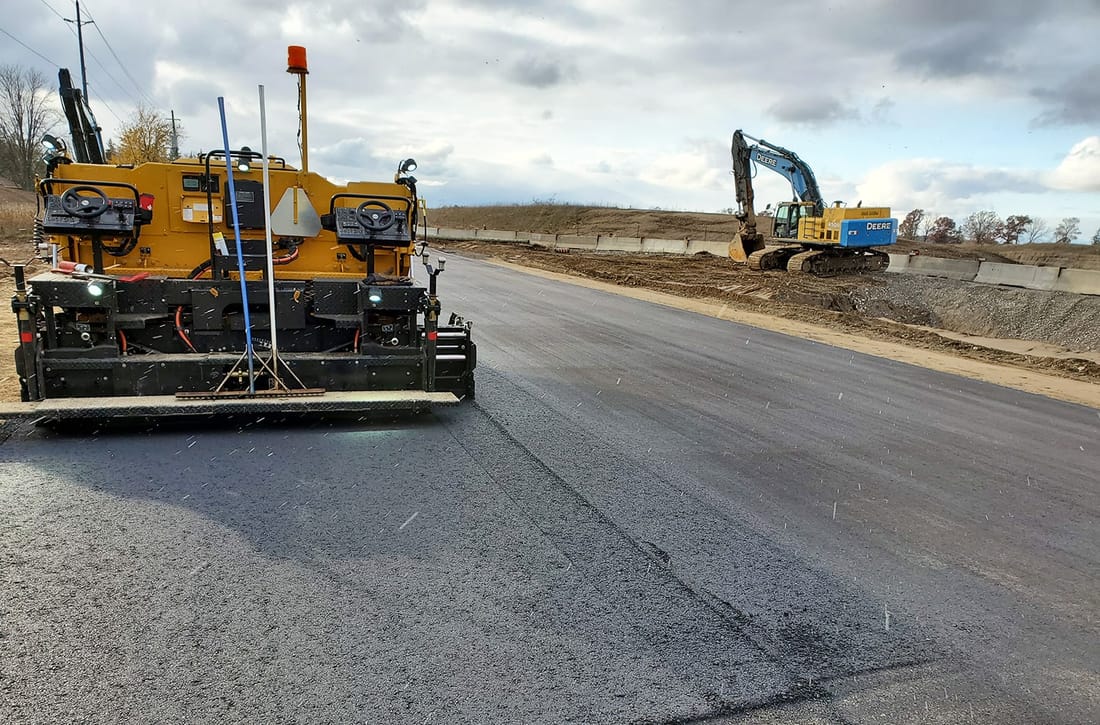
Road, Street, and Municipal Paving in Irving, TX
When a public road or neighborhood street in Irving needs work, you do not just need fresh blacktop. You need a paving plan that fits Texas weather, local traffic patterns, and city standards. That is what Precision Asphalt Irving focuses on for our road, street, and municipal paving projects.
We work with city departments, HOAs, property managers, and private developers throughout Irving and nearby communities. Whether you need a new road in a subdivision off Belt Line, rebuilding a worn collector street near a school, or improving access roads around a commercial site, we look closely at how the surface will be used before we ever schedule a crew.
In Irving, the big factors are extreme heat, occasional winter freezes, and heavy traffic from passenger vehicles, buses, and delivery trucks. Our designs and material choices are tailored to handle rutting from hot summers and cracking from cold snaps, so your pavement lasts longer and requires fewer disruptive repairs.
Precision Asphalt Irving handles full scope work for roads and streets, from layout and grading to striping and signage coordination, so you do not have to juggle multiple contractors.
How We Actually Build a Durable Road Surface
For road paving projects, we follow a step by step process that focuses first on what is under the asphalt. Most long term failures in Irving streets come from poor base preparation, not the visible surface.
1. Evaluation and core sampling: On existing roads, we often perform core samples or test pits to see how thick the current pavement and base layers are and how saturated or unstable the subgrade is. This tells us whether we can mill and overlay or if full depth reconstruction is needed.
2. Subgrade correction: We inspect the native soil for soft spots, organic material, or trapped moisture. In Irving, clay soils can swell and shrink, which leads to cracking. We may undercut soft areas and replace them with compacted select fill or use lime or cement treatment to stabilize the subgrade where appropriate.
3. Base installation or repair: For new roads, we place and compact a flexible base (typically crushed limestone or recycled concrete) in multiple lifts. For existing streets, we may pulverize the old asphalt into the base, then regrade and compact it. Proper density is verified with compaction tests, since a weak base is the main reason you see potholes after a few seasons.
4. Asphalt placement: Based on design, we install one or more lifts of hot mix asphalt. On a neighborhood street we might use a 2 to 3 inch surface course over a strong base. On heavier use municipal roads we may use a thicker multi lift structure, like a 2 inch surface over a 3 inch binder course. Mix type is chosen for local traffic and temperature, not just cost.
5. Joint detailing: Where new pavement ties into existing streets or concrete gutters, we saw cut and create clean joints, then tack coat edges to reduce future cracking and water entry. This detail is often skipped by budget contractors, but it makes a big difference in how the transition holds up.
6. Compaction and finish: Rollers compact each lift to a specified density, which we verify in the field. We shape crown and cross slopes to make sure water drains to inlets, not the centerline. After cooling, we coordinate striping, crosswalks, and raised markers as needed.
Design Options, Materials, and Irving Specific Considerations
Road paving is not one size fits all. Precision Asphalt Irving looks at how your road will actually be used, then matches thickness, mix type, and drainage design to that use.
Traffic loads: Residential streets in Irving usually see light passenger traffic and occasional sanitation trucks. For those, we can use a slightly thinner section with a fine graded surface mix that runs quiet and looks cleaner. Collector or feeder roads that carry school buses or distribution trucks need a thicker section and sometimes a stiffer, coarser mix to resist rutting.
Heat and UV: North Texas heat can make asphalt soften and deform if the mix is not appropriate. We typically specify PG graded binders that hold up under high summer pavement temperatures. This helps reduce wheel path grooves that collect water and cause hydroplaning.
Drainage and ponding: In areas near floodplains or where you have shallow utilities, we pay extra attention to cross slopes, curb transitions, and inlets. Minor adjustments in grade can eliminate recurring ponding that accelerates surface breakdown and creates icy patches during the occasional freeze.
Material options: We can discuss using recycled asphalt pavement (RAP) in base or binder layers to control costs without sacrificing performance, then cap with a high quality virgin mix for the surface. On low speed municipal streets, we may recommend surface treatments like chip seals or fog seals in later years to extend life without full repaving.
Noise and ride quality: Around residential developments and schools, we choose smoother surface mixes and take extra care with joint locations to minimize thumps and vibration. On industrial routes, we prioritize durability and skid resistance for trucks making tight turns into docks or yards.
What Drives Road Paving Cost and How We Control It
Cost for road, street, and municipal paving in Irving is driven by more than just asphalt price per ton. Precision Asphalt Irving is upfront about what affects your budget and where we can adjust without compromising quality.
Depth of repair: A simple mill and overlay, where we grind off 1 to 2 inches and replace it with new asphalt, is far less expensive than full depth reconstruction. We only recommend full reconstruction when base failures, deep cracking, or widespread alligator cracking show that the existing structure cannot support loads anymore.
Access and phasing: Roads near busy intersections, schools, or hospitals often require night work, lane closures, and detailed traffic control plans. Setting up and managing safe work zones adds cost, but it is necessary. We can break the project into phases to maintain access while keeping equipment moves efficient.
Drainage and concrete work: If gutters, valley pans, or curb inlets need adjustment, that concrete work becomes a significant part of the budget. We will separate and price that clearly so you can see what is driven by drainage needs and what is purely asphalt work.
Material choices: Using thicker asphalt sections or higher performance mixes costs more upfront but often reduces long term maintenance. In some cases, especially for HOAs and private streets, we present two or three design options. For example, a lower initial cost design with more frequent sealcoats, or a heavier section with fewer major interventions over 15 to 20 years.
We help you compare life cycle cost, not just the immediate invoice, so your board, council, or ownership group can make an informed decision.
Common Problems on Irving Roads and How We Fix Them
Our crews see the same types of failures on Irving roads again and again, and understanding them will help you decide which solution fits your street or municipal project.
Alligator cracking and potholes: This usually points to base failures. Patching just the surface is a short term bandage. For localized areas, we perform full depth reclamation or cut out and rebuild the base and asphalt in those sections. For widespread cracking over long stretches, we typically recommend mill and overlay paired with targeted base repairs.
Rutting in wheel paths: In hot Texas summers, softer or under compacted mixes can rut under truck traffic. We address this by milling off the damaged layer and replacing it with a stiffer, rut resistant mix, and by reviewing traffic patterns to ensure the asphalt design matches actual loads.
Edge cracking and shoulder failures: On roads without curbs or with narrow shoulders, repeated loading near the edge causes cracking and break off. Solutions include widening and reinforcing the edge, adding stabilized shoulders, or tying the asphalt into a concrete ribbon curb.
Reflective cracking from old joints: When new asphalt is placed over old paving with existing cracks, those cracks often reflect through within a few years. We may use interlayers, crack relief layers, or strategic milling depths to reduce that effect before the overlay goes down.
Before you commit to a repair or full repave, Precision Asphalt Irving can walk the road with you, mark the different failure types, and explain in plain language what each fix involves, how long it typically lasts in Irving conditions, and how it affects your budget and schedule.